Esperal (Disulfiram) ImplantSmithfield, Dublin D07VH01

Esperal Implant in Dublin | Disulfiram Pellet €750

Private, non-judgemental assessment and implantation of a disulfiram (Esperal) pellet at Elite Medical & Dental Clinic in Smithfield, Dublin 7.

Languages:ArabicEnglishRomanian

An Esperal implant is a disulfiram pellet placed under the skin, usually in the abdominal wall, under local anaesthetic. Disulfiram does not remove alcohol dependence or the reasons behind drinking. Instead, it acts as a deterrent: drinking alcohol while it is active can trigger a strongly unpleasant and potentially serious reaction. The implant is intended to support a decision you have already made to avoid alcohol, and works best as one part of a broader plan that includes counselling, medical follow-up and support groups. A €200 consultation with Dr. Adnan Aloul is required to assess your health, alcohol use, medicines and readiness before deciding whether implantation is appropriate. The implantation fee is €750.

  • Implantation of a disulfiram (Esperal) pellet: €750
  • Consultation and clinical suitability assessment: €200
  • Placed under the skin, usually in the abdominal wall, using local anaesthetic
  • You must be sober and alcohol-free for the period advised by the doctor
  • Alcohol must not be consumed while the implant is active
  • Best used alongside counselling, medical follow-up and peer support

What an Esperal Implant Does — and Does Not Do

Esperal is a pellet containing disulfiram. Disulfiram interferes with the way the body breaks down alcohol. If alcohol is consumed while the medicine is active, acetaldehyde can build up and cause flushing, nausea, vomiting, a pounding or racing heartbeat, headache and marked discomfort. A severe reaction can be dangerous. The purpose is deterrence: knowing that alcohol may cause this reaction can reinforce a person's decision not to drink.

The implant is not a cure for alcohol dependence, does not reduce every craving and cannot replace psychological or social support. It is most useful when the patient has already chosen abstinence and has a realistic plan for maintaining it. Counselling, medical follow-up, addiction services and support groups can help address triggers, mental health, relationships and relapse prevention in ways that an implant cannot.

If you are in crisis, feel at risk of harming yourself, or have severe withdrawal symptoms such as confusion, hallucinations, seizures, severe agitation or uncontrolled shaking, an elective implant is not the first step. Seek urgent medical care. Alcohol withdrawal can be dangerous and may require supervised treatment before disulfiram is considered.

The Consultation and Safety Assessment

The €200 consultation is a clinical assessment, not a formality or a guarantee that the procedure will go ahead. Dr. Aloul will ask about your pattern of drinking, when you last consumed alcohol, previous withdrawal symptoms, other medical conditions, mental health and the medicines or supplements you take. The discussion is confidential and intended to establish whether disulfiram is a safe and appropriate option for you.

Disulfiram may not be suitable for people with heart disease, severe liver disease, pregnancy, certain psychiatric conditions or those taking medicines that can interact with it. Your individual risks must be reviewed rather than decided from an online checklist. Tell the doctor about all prescribed, over-the-counter and recreational substances, and do not stop essential medication unless the clinician who manages it advises you to do so.

You must be sober and completely alcohol-free for the period Dr. Aloul advises before implantation. If there is a risk of medically significant withdrawal, this needs assessment and treatment first. The consultation also considers the support available to you and gives you an opportunity to discuss alternatives; if the implant is not suitable, the doctor will explain why rather than proceeding simply because it was requested.

How the Implantation Procedure Works

If you are clinically suitable and decide to proceed, the skin is cleaned and local anaesthetic is injected to numb the treatment area, usually on the abdominal wall. The injection can sting briefly. A small incision is then made, the pellet is positioned beneath the skin and the wound is closed and dressed. You may notice pressure or movement during the procedure even when the area is numb; tell the doctor if you feel pain.

The expected period of activity is not identical in every situation and should not be assumed from information found online. Dr. Aloul will confirm the expected duration for the proposed implant at consultation and explain how long you must continue to avoid alcohol. Do not treat the absence of a reaction, or the passage of time, as proof that it is safe to drink.

Before leaving, make sure you understand the wound-care instructions and the alcohol restrictions. Arrange practical support if you think cravings or withdrawal may be difficult to manage. The procedure creates a physical deterrent, but your recovery plan should also identify who you will contact if you are tempted to drink or if your circumstances change.

Aftercare, Discomfort and Procedure Risks

Some tenderness, bruising or swelling around the implant site can occur after the local anaesthetic wears off. Keep the dressing and wound clean and dry as instructed, avoid rubbing or pressure on the area, and follow the doctor's advice about washing, activity and pain relief. Do not pick at the wound or attempt to remove or reposition the pellet yourself.

Possible procedure-related complications include bleeding, infection, scarring, delayed wound healing, a reaction to the local anaesthetic, and movement or extrusion of the pellet. Contact the clinic promptly for worsening pain, spreading redness, increasing swelling, pus, fever, persistent bleeding, the wound opening, or any concern that the pellet is coming through the skin. Sudden severe symptoms require urgent medical attention.

Disulfiram itself can also cause adverse effects without alcohol and can affect the liver or interact with other medicines. Report new or concerning symptoms and attend any monitoring the doctor recommends. The balance of benefit and risk is personal, which is why proper assessment and follow-up matter.

Living Safely with Disulfiram

Do not drink beer, wine, spirits or any other alcoholic drink while the implant is active and for the period afterwards specified by the doctor. Alcohol can also be present in some mouthwashes, cough mixtures, cooking ingredients, sauces, desserts, fragrances and other products. Read labels, ask a pharmacist if uncertain, and follow the precise avoidance advice given at consultation.

If alcohol is consumed, flushing, throbbing headache, nausea, vomiting, sweating, palpitations and weakness may begin. More serious reactions can involve chest pain, breathing difficulty, an abnormal heart rhythm, low blood pressure, confusion or collapse. Do not try to test whether the implant is working. If exposure occurs and symptoms are severe, worsening, or include chest pain, breathing difficulty, fainting or confusion, call emergency services.

A lapse is not a reason for shame, but it does require safety and support. Once urgent medical concerns have been addressed, contact your treating team or addiction support service to review what happened and strengthen the plan. Elite Medical & Dental Clinic is on Thundercut Alley, Smithfield, Dublin 7 (D07VH01), a few minutes from the Smithfield Luas stop, and is open Monday to Saturday.

Assessment, Procedure & Safety Planning

Clear pricing and an individual clinical decision

Consultation & Assessment

€200

A confidential review of your alcohol use, general health, medicines, mental health and support plan, with an honest decision about whether an implant is suitable.

Esperal Pellet Implantation

€750

The disulfiram pellet is placed beneath the skin, usually in the abdominal wall, through a small incision under local anaesthetic.

Safety & Aftercare Planning

Discussed at consultation

Clear advice on alcohol avoidance, medicine and product interactions, wound care, warning signs and the follow-up appropriate to your circumstances.

Consultation €200. Implantation of a disulfiram (Esperal) pellet €750. View full price list →

Meet Your Doctor

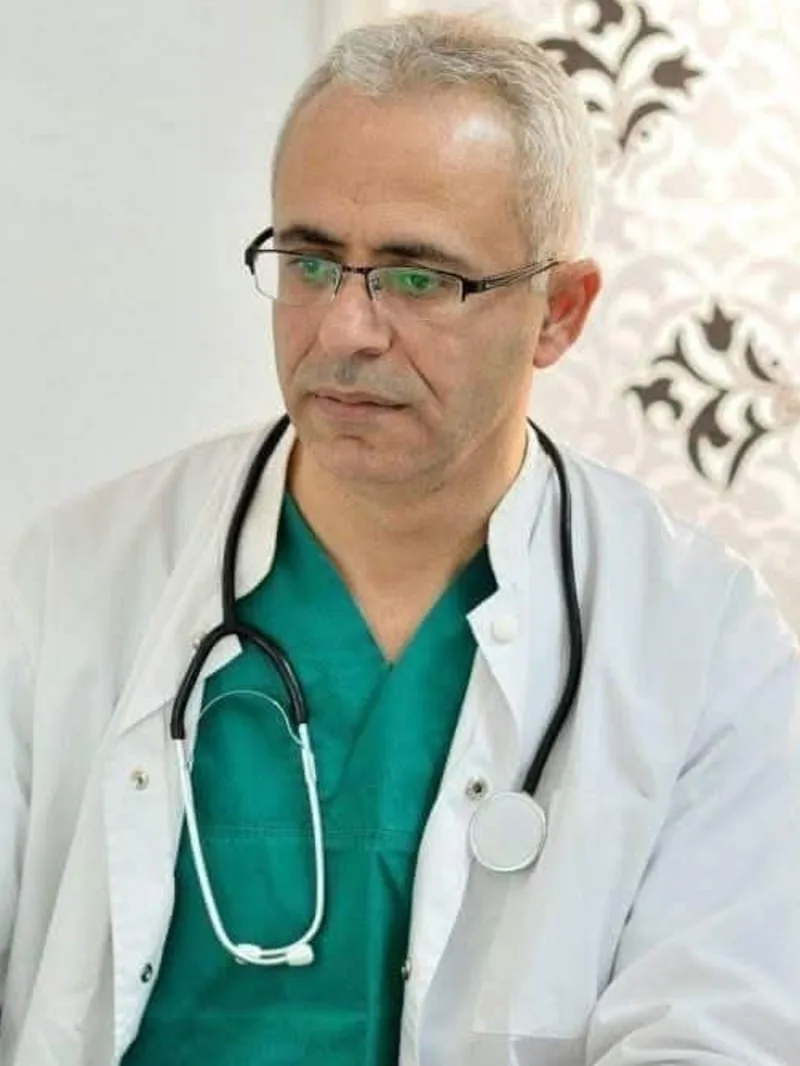
Dr. Adnan Aloul, Senior Consultant Surgeon — General Surgery, Gastroenterology & Proctology at Elite Medical & Dental Clinic, Smithfield Dublin

Dr. Adnan Aloul

Senior Consultant Surgeon — General Surgery, Gastroenterology & Proctology

MD, PhD in Medical Sciences (General Surgery), Titu Maiorescu University Bucharest. Senior Consultant in General Surgery and in Family Medicine, with more than 25 years of clinical and surgical experience and a special interest in colorectal and proctological pathology. Member of the Medical Council of Ireland and of the Romanian Society of Coloproctology.

ArabicEnglishRomanian

Find Us in Smithfield

Address

Unit 3 Block E, Thundercut Alley
Smithfield, Dublin D07VH01

Opening Hours

Mon – Fri10:00 – 19:00
Saturday11:00 – 16:00
SundayClosed

Frequently Asked Questions

How much does an Esperal implant cost in Dublin?+

Implantation of a disulfiram (Esperal) pellet at Elite Medical & Dental Clinic costs €750. The consultation costs €200 and is required to assess whether the treatment is safe and appropriate for you.

Is an Esperal implant a cure for alcohol dependence?+

No. It is a deterrent that supports a decision to remain alcohol-free; it does not cure dependence or address every craving, trigger or underlying difficulty. It works best alongside counselling, medical follow-up, addiction support and support groups.

Do I need to stop drinking before implantation?+

Yes. You must be sober and completely alcohol-free for the period the doctor advises before implantation. Do not attempt abrupt withdrawal without medical advice if you drink heavily or have previously had withdrawal symptoms, as severe alcohol withdrawal can be dangerous and needs medical care first.

What happens if I drink alcohol with the implant?+

Alcohol can cause a strongly unpleasant disulfiram reaction, including flushing, nausea, vomiting, palpitations and headache. Severe reactions can cause chest pain, breathing difficulty, low blood pressure, confusion or collapse. Never test the implant by drinking. Seek emergency help for severe or worsening symptoms.

How long does the disulfiram implant last?+

The expected duration must be confirmed by Dr. Aloul at consultation. Do not rely on a fixed number of months from online sources, and continue avoiding alcohol for the full period the doctor advises, including the advised period after the implant is expected to stop being active.

Who may not be suitable for a disulfiram implant?+

It may not be appropriate for people with heart disease, severe liver disease, pregnancy, certain psychiatric conditions or particular medication interactions. Suitability depends on an individual medical review, so disclose all health conditions, medicines and supplements at consultation.

What is recovery from the procedure like?+

The area may be tender, swollen or bruised after the local anaesthetic wears off. Keep the wound clean and dry and follow the dressing, activity and pain-relief instructions provided. Contact the clinic for increasing pain, spreading redness, pus, fever, persistent bleeding, wound opening or pellet extrusion.

Where is the clinic and what languages are spoken?+

Elite Medical & Dental Clinic is on Thundercut Alley, Smithfield, Dublin 7 (D07VH01), a few minutes from the Smithfield Luas stop. Dr. Adnan Aloul speaks Arabic, English and Romanian. The clinic is open Monday to Saturday; call +353 85 102 4218 to arrange a consultation.

Arrange a Confidential Consultation

Speak with the clinic about a clinical suitability assessment. If you have severe withdrawal symptoms or are in crisis, seek urgent medical care first.