Anal Fissure TreatmentSmithfield, Dublin D07VH01

Anal Fissure Treatment in Dublin

Discreet assessment and treatment of painful anal fissures at Elite Medical & Dental Clinic in Smithfield, Dublin 7, with conservative care, botulinum toxin injection and surgical options considered according to your needs.

Languages:ArabicEnglishRomanian

An anal fissure is a small tear in the lining of the anal canal. It commonly causes sharp pain during a bowel movement, followed by burning or throbbing that can last afterwards, and there may be a small amount of bright-red blood. At Elite Medical & Dental Clinic, Dr. Adnan Aloul provides consultant assessment for people with new, recurrent or persistent symptoms. The aim is to confirm the diagnosis, identify factors such as constipation or diarrhoea, and choose treatment appropriate to whether the fissure is acute or chronic. First-line care usually focuses on keeping stools soft and reducing sphincter spasm; botulinum toxin injection or an operation may be considered when a fissure does not heal.

  • Consultant assessment for acute, chronic and recurrent anal fissures
  • A clear first-line plan covering bowel habits, fibre, fluids and topical treatment
  • Botulinum toxin injection for anal fissure: €450
  • Surgical treatment considered when appropriate after examination
  • Private clinic in Smithfield, a few minutes from the Luas stop
  • Consultations available in Arabic, English and Romanian

What Is an Anal Fissure, and Why Is It So Painful?

An anal fissure is a split in the sensitive lining just inside the anus. It often starts when a hard or large stool stretches the tissue, although frequent diarrhoea, childbirth and local irritation can also contribute. The typical symptom is a cutting or tearing pain while passing stool. Pain may continue as a deep ache or spasm for minutes or hours, and bright-red blood may be seen on the toilet paper or on the outside of the stool.

The pain is intensified by the internal anal sphincter, a ring of muscle that works automatically. A fissure can trigger this muscle to tighten; the spasm causes more pain and reduces blood flow to the injured area, making healing more difficult. Fear of pain may then lead a person to delay using the toilet, allowing stool to become harder. Treatment aims to interrupt this pain–spasm–constipation cycle while giving the tear time to close.

Acute and Chronic Fissures: Getting the Diagnosis Right

A recent, or acute, fissure will often heal with measures that soften stool and settle irritation. A fissure is generally described as chronic when it has persisted for roughly six weeks or has developed changes associated with prolonged inflammation. Chronic fissures are more likely to be caught in the sphincter-spasm cycle and may need prescription treatment, an injection or surgery. Symptoms can recur if constipation, straining or diarrhoea returns.

Not every episode of anal pain or bleeding is a fissure. Haemorrhoids, an abscess, a fistula, inflammatory bowel disease and other conditions can produce overlapping symptoms. During consultation, Dr. Aloul asks about bowel habits, bleeding, medication and wider health, then performs an examination as appropriate and with your consent. Ultrasound is not required for every straightforward fissure, but abdominal or anorectal ultrasound may be recommended where the history or examination indicates a need for further assessment.

Fissures in an unusual position, multiple fissures, or symptoms accompanied by ongoing diarrhoea, weight loss or other bowel changes deserve careful evaluation because an underlying condition may be present. The consultation is therefore about confirming the cause rather than assuming that every painful bowel movement is a simple fissure.

First-Line Treatment and Daily Bowel Care

Most acute fissures are initially managed without a procedure. The practical goal is a soft, formed stool that passes without straining. Adequate fluids, gradual dietary fibre and, when advised, a stool-softening or fibre medicine can help. Too much fibre introduced suddenly may cause bloating, so the plan should reflect your usual diet and bowel pattern. Avoid repeatedly delaying a bowel movement or sitting and straining for long periods.

A warm sitz bath or shallow bath for 10 to 15 minutes, particularly after a bowel movement, can soothe the area and help the muscle relax. Gentle washing and careful drying are preferable to vigorous wiping or fragranced products. Simple pain relief may be suitable for some patients, while a doctor may prescribe a topical ointment that relaxes the sphincter. These medicines can have side effects, including headache with some preparations, so they should be used exactly as directed.

Healing is not always immediate. Pain may begin to ease before the tear has fully healed, and several weeks of consistently soft stools may be needed. If symptoms remain severe, repeatedly return, or do not improve despite following the plan, a review is important rather than continuing self-treatment indefinitely.

Botulinum Toxin Injection: What It Involves

Botulinum toxin can be injected into the internal anal sphincter to reduce its activity temporarily. By relaxing the muscle, it can lessen spasm and improve the conditions needed for the fissure to heal. The effect develops after the injection and wears off over time; it does not physically stitch or remove the tear, and healing is not guaranteed. Keeping stools soft remains important while the treatment is taking effect.

Before proceeding, Dr. Aloul confirms that the findings are consistent with a fissure and reviews your health, medicines and previous treatments. He explains where the injection is given, the anaesthetic plan, preparation and what to expect afterwards for your individual case. The injection itself can cause short-lived discomfort. Possible risks include bleeding, infection, failure to improve or recurrence, and temporary difficulty controlling wind or stool; the risks relevant to you are discussed as part of consent.

Many people can return to light daily activity relatively soon, but soreness and a small amount of spotting can occur. Improvement may develop over several days, while complete healing can take several weeks and varies from person to person. Follow the personalised advice on bathing, bowel care, pain relief, driving, work and exercise, and arrange review if pain is worsening rather than settling.

When Surgery or Urgent Assessment May Be Needed

When a chronic fissure has not healed with an adequate course of conservative treatment, or when symptoms return despite treatment, a surgical option may be discussed. The clinic price for cryptotomy or incision of an anal fissure is €900. The exact operation proposed depends on the examination and your individual risk factors. Surgery may offer another route to healing, but it also carries risks such as pain, bleeding, infection, delayed healing, recurrence and changes in continence, so benefits and alternatives should be considered carefully.

Seek prompt medical assessment for severe or rapidly worsening anal pain, fever, swelling, pus or feeling systemically unwell, as these can suggest an abscess or infection rather than an uncomplicated fissure. Heavy or persistent bleeding, black or dark stools, faintness, unexplained weight loss, a marked change in bowel habit, or abdominal pain also require medical attention. Attend an emergency department or call emergency services if bleeding is substantial, you feel faint or acutely unwell.

Elite Medical & Dental Clinic is on Thundercut Alley, Smithfield, Dublin 7 (D07VH01), a few minutes from the Smithfield Luas stop. The clinic is open Monday to Saturday. To arrange an assessment, call +353 85 102 4218; if symptoms suggest an emergency, do not wait for a routine clinic appointment.

Our Services & Prices

Transparent pricing — no hidden fees

Consultation & Assessment

€200

A focused history and examination to confirm whether a fissure is causing your symptoms and to discuss first-line treatment. Consultation with abdominal or anorectal ultrasound is €250 when clinically appropriate.

Botulinum Toxin Injection

€450

An injection used to temporarily relax the internal anal sphincter, reduce spasm and give the tear an opportunity to heal. Suitability, preparation and risks are discussed beforehand.

Cryptotomy / Incision of Anal Fissure

€900

A surgical option for selected fissures that have not healed with conservative or injection treatment. The proposed procedure and expected recovery are explained after examination.

Treatment choice and suitability are confirmed after clinical assessment. View full price list →

Meet Your Doctor

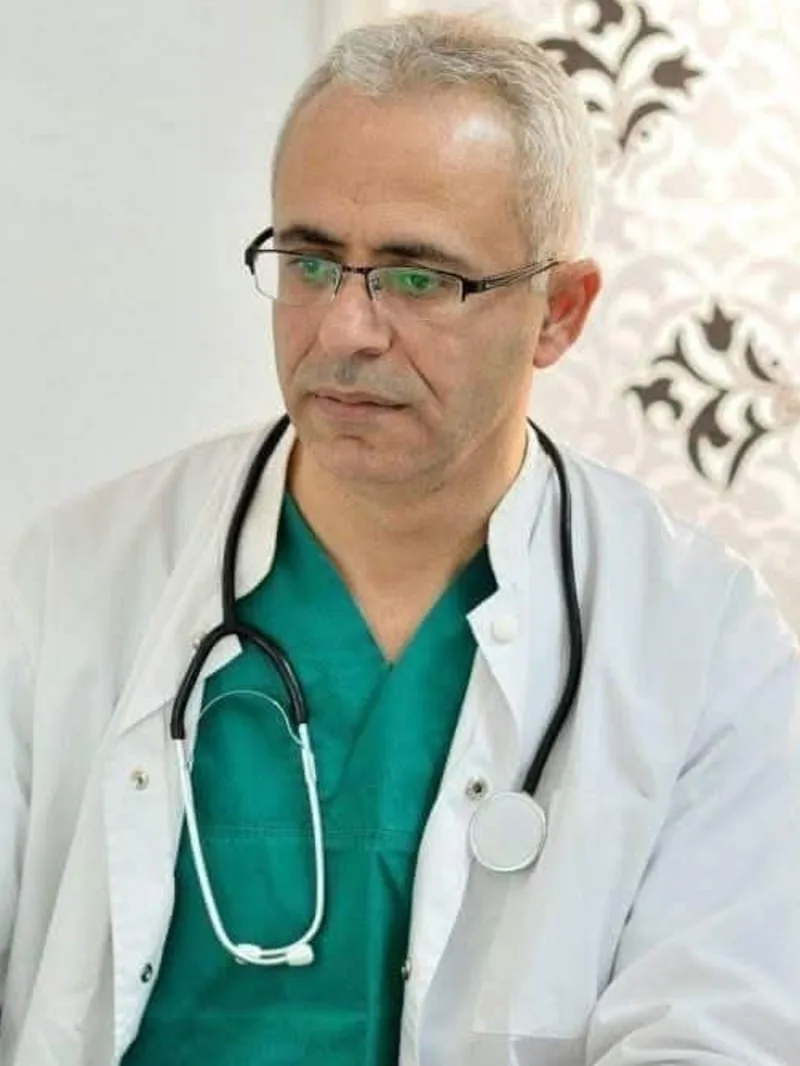
Dr. Adnan Aloul, Senior Consultant Surgeon — General Surgery, Gastroenterology & Proctology at Elite Medical & Dental Clinic, Smithfield Dublin

Dr. Adnan Aloul

Senior Consultant Surgeon — General Surgery, Gastroenterology & Proctology

MD, PhD in Medical Sciences (General Surgery), Titu Maiorescu University Bucharest. Senior Consultant in General Surgery and in Family Medicine, with more than 25 years of clinical and surgical experience and a special interest in colorectal and proctological pathology. Member of the Medical Council of Ireland and of the Romanian Society of Coloproctology.

ArabicEnglishRomanian

Find Us in Smithfield

Address

Unit 3 Block E, Thundercut Alley
Smithfield, Dublin D07VH01

Opening Hours

Mon – Fri10:00 – 19:00
Saturday11:00 – 16:00
SundayClosed

Frequently Asked Questions

How much does anal fissure treatment cost in Dublin?+

A consultation at Elite Medical & Dental Clinic costs €200. Consultation with abdominal or anorectal ultrasound is €250 when clinically appropriate. Botulinum toxin injection for an anal fissure is €450, and cryptotomy or incision of an anal fissure is €900.

Can an anal fissure heal without a procedure?+

Yes. Many recent fissures improve when stools are kept soft and regular using fluids, gradual dietary fibre and any stool-softening treatment advised by a clinician. Warm sitz baths and prescribed topical treatment may also help. Persistent, recurrent or severe symptoms should be assessed to confirm the diagnosis and consider other options.

How can I tell a fissure from haemorrhoids?+

A fissure classically causes sharp pain during a bowel movement and burning or spasm afterwards, often with a small streak of bright-red blood. Haemorrhoids may bleed, itch or cause a lump and are not always painful. Symptoms overlap, so an examination is the reliable way to distinguish them and exclude an abscess or another cause.

How does botulinum toxin help an anal fissure?+

It temporarily relaxes part of the internal anal sphincter. This can break the cycle of spasm and pain and improve the conditions for the tear to heal. The effect is temporary, results vary, and good bowel care is still necessary during recovery.

Is a botulinum toxin injection painful?+

There can be brief discomfort from the injection and some soreness afterwards. The anaesthetic approach and what you are likely to feel are explained before treatment. Contact the clinic if pain becomes severe or worsens, particularly if it is accompanied by fever or swelling.

How long does recovery take after treatment?+

The timeline depends on how long the fissure has been present and which treatment is used. After an injection, light activity may be possible relatively soon, although soreness can occur. Symptom improvement may take several days and healing may take several weeks. Recovery after surgery is individual, and you will receive specific advice about work, exercise and bowel care.

Can an anal fissure come back?+

Yes. A fissure can recur, especially if hard stools, constipation, straining or frequent diarrhoea returns. Continuing habits that keep stools soft and seeking advice for an ongoing bowel problem can reduce avoidable irritation, but no treatment can promise that a fissure will never recur.

When should rectal bleeding be assessed urgently?+

Seek urgent help for heavy or persistent bleeding, black or dark stools, faintness, severe worsening pain, fever, swelling, pus or feeling very unwell. Unexplained weight loss or a lasting change in bowel habit also needs medical assessment. Significant bleeding or acute illness warrants emergency care rather than waiting for a routine appointment.

Ready to Book Your Appointment?

Same-day and next-day appointments available. Fill out our form online or call us directly.